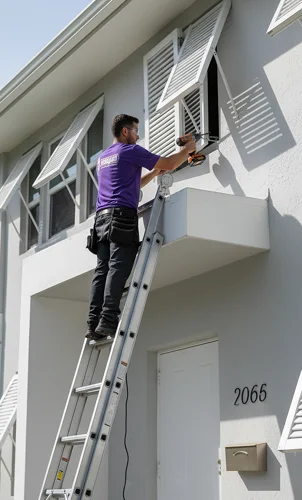

If you live in Florida, hurricane protection isn’t just a feature—it’s a necessity. From June through November, the Sunshine State faces the threat of severe weather. That’s where casement impact windows come in.
In this guide, we’ll explain what casement impact windows are, how they work, and whether they’re a good fit for your Florida home based on storm safety, energy efficiency, ventilation, and cost.
What Are Casement Impact Windows?
Casement impact windows are hinged windows that swing open outward like a door, typically operated by a crank. What sets them apart is their hurricane-resistant, laminated impact glass, strong framing, and robust locking systems.
Key Components:
- Laminated Impact Glass: Two panes of glass bonded by a tough interlayer (usually PVB or EVA).
- Reinforced Frame: Commonly made of aluminum, vinyl, or composite, engineered to resist warping and corrosion.
- Multi-Point Locking System: Enhances security and strengthens the seal during storms.
Casement windows are especially effective because they seal tightly when closed, offering superior resistance against wind-driven rain and air infiltration.
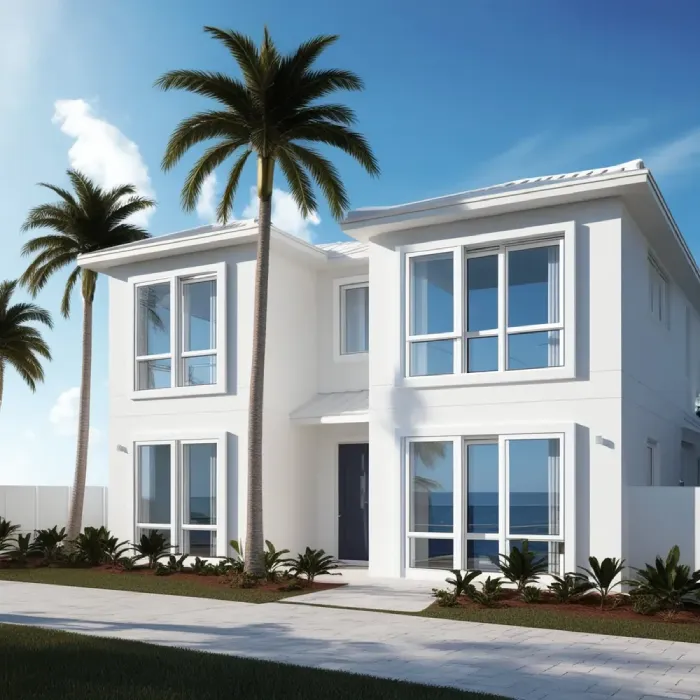
?️ Are Casement Impact Windows Good for Storm Protection?
Absolutely. Casement impact windows are among the most reliable window types in hurricane-prone regions like Florida.
Why Casement Windows Excel in Storms:
- When wind blows against the window, it pushes the sash tighter against the frame, improving the seal.
- Multi-point locks offer better wind resistance compared to sliding or single-hung windows.
- Rated to withstand Category 5 hurricane-force winds and flying debris.
? In areas like Miami-Dade or Broward County, these are often the go-to choice for impact-rated installations.
Ventilation & Energy Efficiency: Big Wins
Casement windows offer excellent natural ventilation since they can fully swing open. This is great for Florida’s mild winter days or when you want to cut down on AC use.
Energy-Saving Features:
- Tight seal reduces air leakage.
- Options for Low-E or tinted glass help reflect UV rays and minimize solar heat gain.
- Can help lower your monthly energy bill, especially when replacing outdated windows.
Design & Aesthetic Value
Casement windows provide a modern, clean look that complements both coastal and contemporary homes in Florida.
Design Perks:
- Clean lines and uninterrupted glass views.
- Customizable frame colors and hardware finishes.
- Great for hard-to-reach areas like over kitchen sinks or in bathrooms.
Security Benefits
Casement windows come with multi-point locks and strong glass, making them hard to pry open—even with tools.
Bonus:
Many insurance providers in Florida offer premium discounts for homes equipped with certified impact-resistant windows. That means more ROI over time.
Are They Worth the Cost?
Casement impact windows typically cost more upfront than single-hung or sliding windows due to their hardware and opening mechanism.
Average Price Range in Florida:
- $600 to $1,500 per window (materials + labor).
- Premium options may go higher depending on size and customization.
However, when you factor in storm protection, energy savings, insurance discounts, and increased home value, the long-term ROI is excellent.
Are Casement Impact Windows Right for Your Florida Home?
They’re a smart choice if:
- You live in a hurricane-prone area (which is most of Florida).
- You want windows that provide better ventilation and a tight seal.
- A modern or coastal aesthetic matches your home’s design.
- You want added home security and energy savings.
Pro Tip: Hire a Certified Installer
Always choose a company that is Florida Building Code (FBC) and HVHZ (High-Velocity Hurricane Zone) compliant. Professional installation ensures:
- Maximum energy efficiency
- Structural integrity
- Warranty coverage
Final Thoughts
Casement impact windows combine hurricane resistance, security, and beauty—making them an excellent option for many Florida homeowners.
Whether you’re upgrading for storm protection, energy savings, or a fresh new look, casement impact windows could be the perfect long-term investment.