
If you live in a hurricane-prone area like Florida, having impact-resistant windows and doors isn’t a luxury. It’s a necessity. But unless you were involved in every detail of your home’s construction or renovation, you might be wondering: Are your windows and doors really impact-rated, or do they look the part?
Here’s how to find out for sure what to look for and why it matters.
What Are Impact-Resistant Windows and Doors?
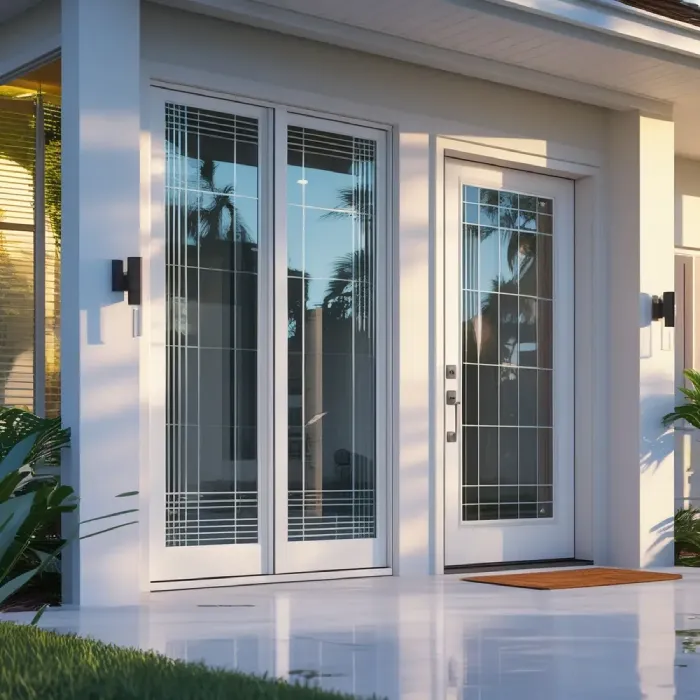
Impact-resistant windows and doors are built to protect your home during violent storms. They are designed to resist flying debris, strong winds, and sudden pressure changes during hurricanes. However, not all storm windows or heavy-looking doors meet the actual standards of impact resistance.
True impact products are built with laminated glass, reinforced frames, and stronger internal components like steel or composite door cores. These systems must pass specific tests that simulate large object collisions at high speed. In Florida, compliance with the Florida Building Code and approval from counties like Miami-Dade is required.
How to Identify Impact-Resistant Glass in Windows or Doors
Before you call a contractor, there are some quick and easy checks you can do to see if your existing windows or doors meet the standard for impact resistance.
1. Check for Permanent Glass Markings
Impact-rated windows often have permanent etchings in the glass, usually located in the bottom corner. These etchings may include:
- The manufacturer’s name or logo
- Safety codes such as SGCC or ANSI
- Indicators that the glass is laminated, not just tempered
This etching is baked into the glass during production and cannot be removed. It’s one of the most reliable ways to identify impact glass.
2. Look for Certification Labels or Approval Numbers
In Florida, manufacturers are required to meet product approval standards. Check your window frames or glass corners for:
- NOA (Notice of Acceptance) numbers
- Florida Product Approval codes
- Miami-Dade County approval labels
You can search these codes online to verify that the product meets local impact resistance standards.
3. Tap the Glass and Listen to the Sound
Laminated glass has a different sound when tapped. It tends to be thicker and produces a duller tone than single-pane or tempered glass. This is due to the interlayer material (typically PVB or SGP) that holds the laminated glass together.
4. Inspect the Frame and Hardware
True impact systems include more than just upgraded glass. Look at the frame and locking hardware. You should see:
- Reinforced aluminium, vinyl, or composite frames
- Heavier-duty locks, latches, and hinges
- Seals that are tight and consistent around the edges
If your windows rattle or the frame feels weak, they may not be impact-certified.
Laminated Glass vs. Tempered Glass: Know the Difference
Many homeowners assume that if their glass is marked as tempered, it offers impact resistance. This is not always true. Tempered glass is stronger than regular glass, but it still shatters completely on impact. Laminated glass is different. It holds together even when cracked due to the interlayer that binds the panes.
This is the same technology used in automotive windshields and is the gold standard for residential impact protection.
The Benefits Go Beyond Hurricane Protection
Impact windows and doors are not just about surviving the next storm. They also bring long-term value and comfort to your home.
Noise Reduction
The thick layers of laminated glass significantly reduce outside noise. Homes near highways, airports, or busy streets benefit from a much quieter indoor environment.
Energy Efficiency
Impact-rated windows help insulate your home by reducing heat transfer. This keeps indoor temperatures more stable and can lower your utility bills throughout the year.
UV Protection
Laminated glass helps block harmful ultraviolet rays. This protects your furniture, flooring, and interior finishes from fading over time.
Insurance Discounts
Many Florida insurance providers offer discounts for homes with verified impact-resistant openings. To qualify, you need to show certification through labels or documentation that the windows meet Florida or Miami-Dade standards.
Still Not Sure? Here’s What to Do
If your home has older windows or if you can’t find any labels, it may be difficult to tell whether they are truly impact-rated. Here are a few steps you can take:
- Contact the builder or installer if you know
- Hire a licensed contractor for a professional inspection
- Check your local building department for permit history
Some homes have a mix of window types, especially if renovations are done in stages. Even windows labelled as hurricane windows might not meet today’s standards unless they were tested and approved under current codes.
Why This Matters More Than Ever
Assuming your windows are impact-resistant can lead to serious risks. Without the right protection, your home is more vulnerable during hurricanes and tropical storms. Upgrading to certified impact windows and doors not only protects your family and property it can also save you money on energy bills and insurance.
With the right information, you can make smart decisions about your home’s safety. And if your current windows don’t meet the standard, now is the time to consider an upgrade that adds value, comfort, and peace of mind.
Looking for Certified Impact Protection? We Can Help
If you’re unsure about the strength of your current windows or doors, or if you’re ready to upgrade to fully certified impact-resistant products, our team at Pacific Hurricane Shutters is here to help. We specialize in professionally installed, Florida-approved impact windows and doors that meet or exceed the latest building codes. Whether you’re replacing old openings or planning a full home upgrade, we’ll guide you through the best options for your home and budget. Call us today at (786) 320-6405 to schedule a no-obligation inspection or to learn more about how real impact protection should perform.